
SnR Resource Library · Grief Support
What to Say to Someone Grieving: Simple Words That Actually Help
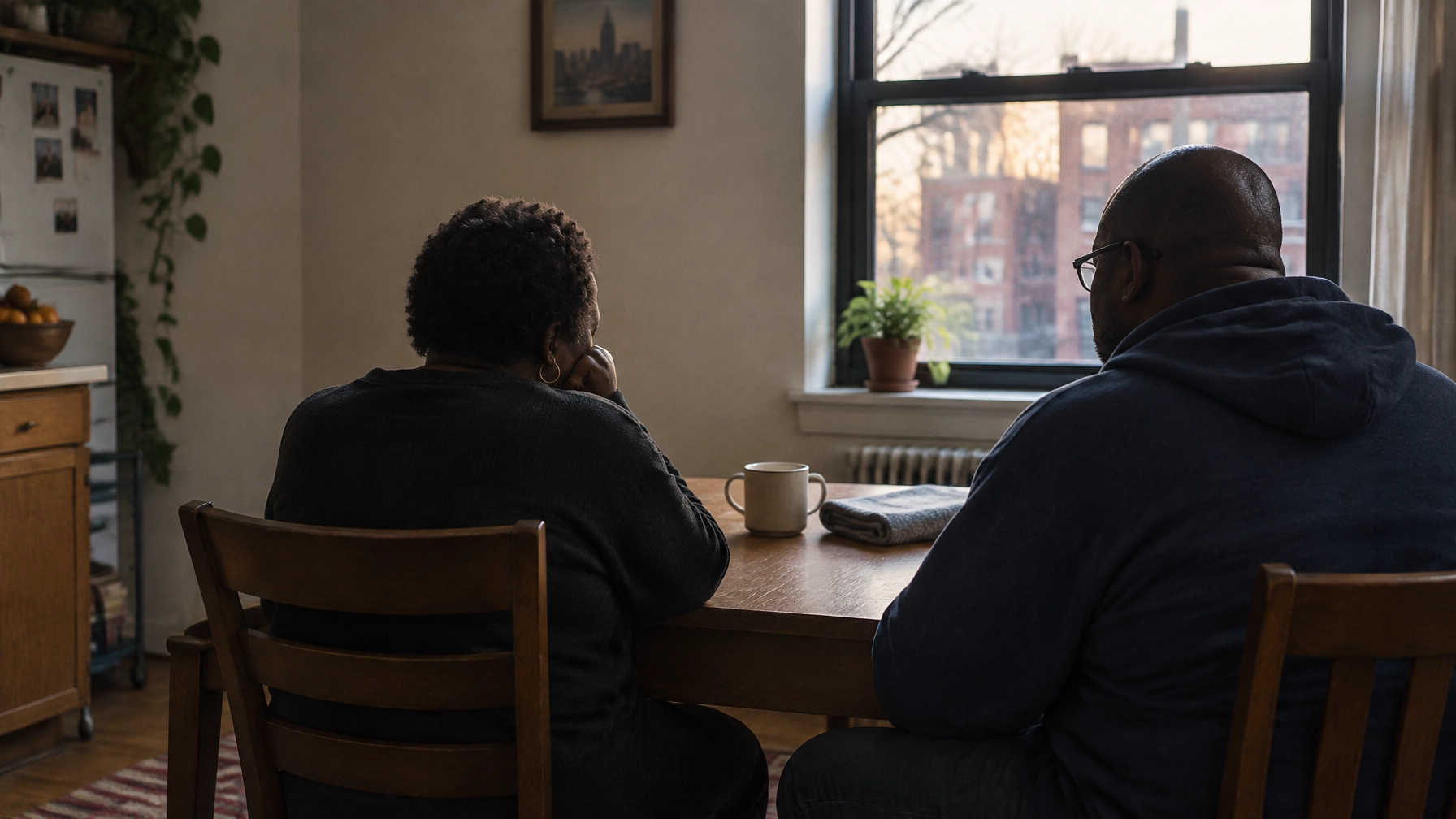
If you’ve just heard that someone you care about has died, it’s normal to feel awkward. You may be asking yourself what to say to someone grieving, and worrying that anything you say will sound wrong. You don’t need perfect words. A simple, sincere message and a willingness to stay present can mean more than advice or a silence that leaves the person feeling alone.
Try one of these:
Phrases you can use
- “I’m so sorry. I’m here.”
- “I don’t know what to say, but I didn’t want to say nothing.”
- “You don’t have to talk. I can sit with you.”
- “Would a meal, a ride, or someone to sit with you help this week?”
- “I’m thinking of you. I’ll check in again on Friday.”
You don’t have to find a phrase that makes the loss feel better. Your job is not to fix grief; it’s to let someone know they don’t have to face the next moment alone.
What to say to someone grieving at different times
There is no single script for every person or every loss. Keep your words simple, let them guide the conversation, and don’t expect a reply.
Right after the death
A short message is enough. Name the loss if you know the person is ready to talk about it, and don’t press for details.
- “I’m so sorry about your dad. I’m thinking of you and your family.”
- “I’m here with you. Would you like company, or would you rather have some quiet?”
- “You don’t need to answer now. I’ll check in tomorrow.”
If you’re unsure what to say to someone whose loved one died, start with “I’m so sorry” and make room for whatever comes next, even if that is no conversation at all.
In the first weeks
After the first calls and messages, daily responsibilities still need attention. Offer one clear choice rather than asking the grieving person to plan or delegate.
- “I’m going to the grocery store. Can I drop anything off?”
- “I can drive you to the appointment on Thursday. Would that help?”
- “Would you like to tell me about them, or would you prefer a distraction?”
Weeks and months later
Keep reaching out after the service and the first wave of visitors. Grief doesn’t follow a schedule, and someone may appreciate being remembered when others have moved on.
- “I’ve been thinking about you. How has this week been?”
- “No need to reply: I just wanted you to know I remember.”
- “Would you like to take a walk or have dinner this weekend?”
On anniversaries and holidays
A brief acknowledgment can show you remember the person and the date. You don’t have to assume what the day will feel like.
- “I know today may be hard. I’m thinking of you.”
- “Would you like company today, or would you rather I check in tomorrow?”
- “I remember this is your first holiday without them. I’m here if you want to talk.”
What not to say to someone grieving, and what to say instead
Most people who say the following are trying to help. Still, certain phrases can make someone feel hurried, misunderstood, or expected to find meaning in a painful loss. Here are gentler alternatives.
- “Everything happens for a reason.” This can sound as if the death was meant to happen. Try: “I’m so sorry. I’m here with you.”
- “At least they lived a long life” or “At least they’re not suffering.” “At least” can make someone feel they shouldn’t grieve as deeply. Try: “I know how much you love them. I’m sorry.”
- “I know how you feel.” Even if you’ve experienced a loss, theirs is their own. Try: “I can’t know exactly what this is like for you, but I care and I’ll listen.”
- “They’re in a better place.” This may not fit the person’s beliefs or what they need to hear. Try: “Would you like to talk about them?”
- “Let me know if you need anything.” It puts the work of figuring out and asking for help on someone already carrying a lot. Try: “Can I bring dinner on Wednesday, or would Friday be better?”
Knowing what not to say to someone grieving doesn’t mean you must speak perfectly. If a phrase comes out wrong, you can say, “I’m sorry. I didn’t mean to minimize what you’re going through. I’m here to listen.”
When a death involves violence, questions about the details or an investigation can be especially painful. Don’t ask the family to retell what happened. Let them decide what, if anything, they want to share.
What actions help more than words?
Practical, specific help can make a difficult day a little less demanding. Ask before coming over, and make your offer easy to accept or decline.
- Bring food in a container that doesn’t need to be returned.
- Offer a ride to an appointment, the funeral home, or the service.
- Watch children or help with school pickup, if the family wants that.
- Sit alongside them while they make calls or sort through forms.
- Ask whether they want you to attend the service; follow their wishes about photos, posts, and sharing news.
- Put a reminder in your calendar to check in again later.
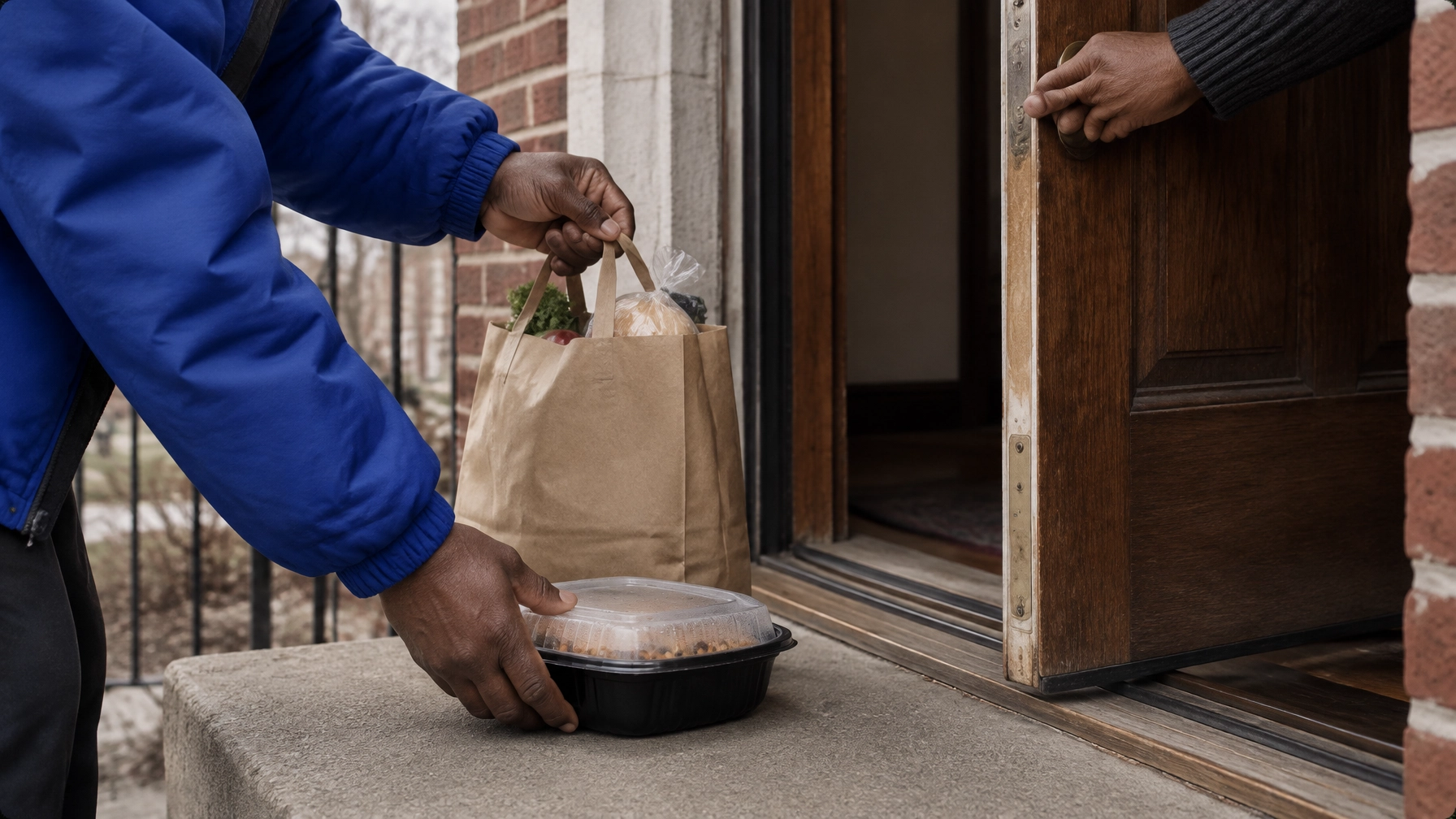
If you’re wondering how to support a grieving friend, consistency matters more than a grand gesture. A text a few weeks later, a remembered anniversary, or an offer to handle one small task can say, “I haven’t forgotten.”
What if the grieving person is a child or teen?
Keep it simple, honest, and age-appropriate. Don’t use confusing explanations such as “went to sleep.” You might say, “I’m so sorry your friend died. You can talk to me, ask questions, or just sit with me.” Let them know they didn’t cause the death and don’t have to take care of everyone else’s feelings.
Follow the lead of their parent or caregiver, protect their privacy, and don’t ask them to repeat the story. If you’re a caregiver, teacher, or other adult looking for next steps, SnR’s school and caregiver resources include age-specific materials.
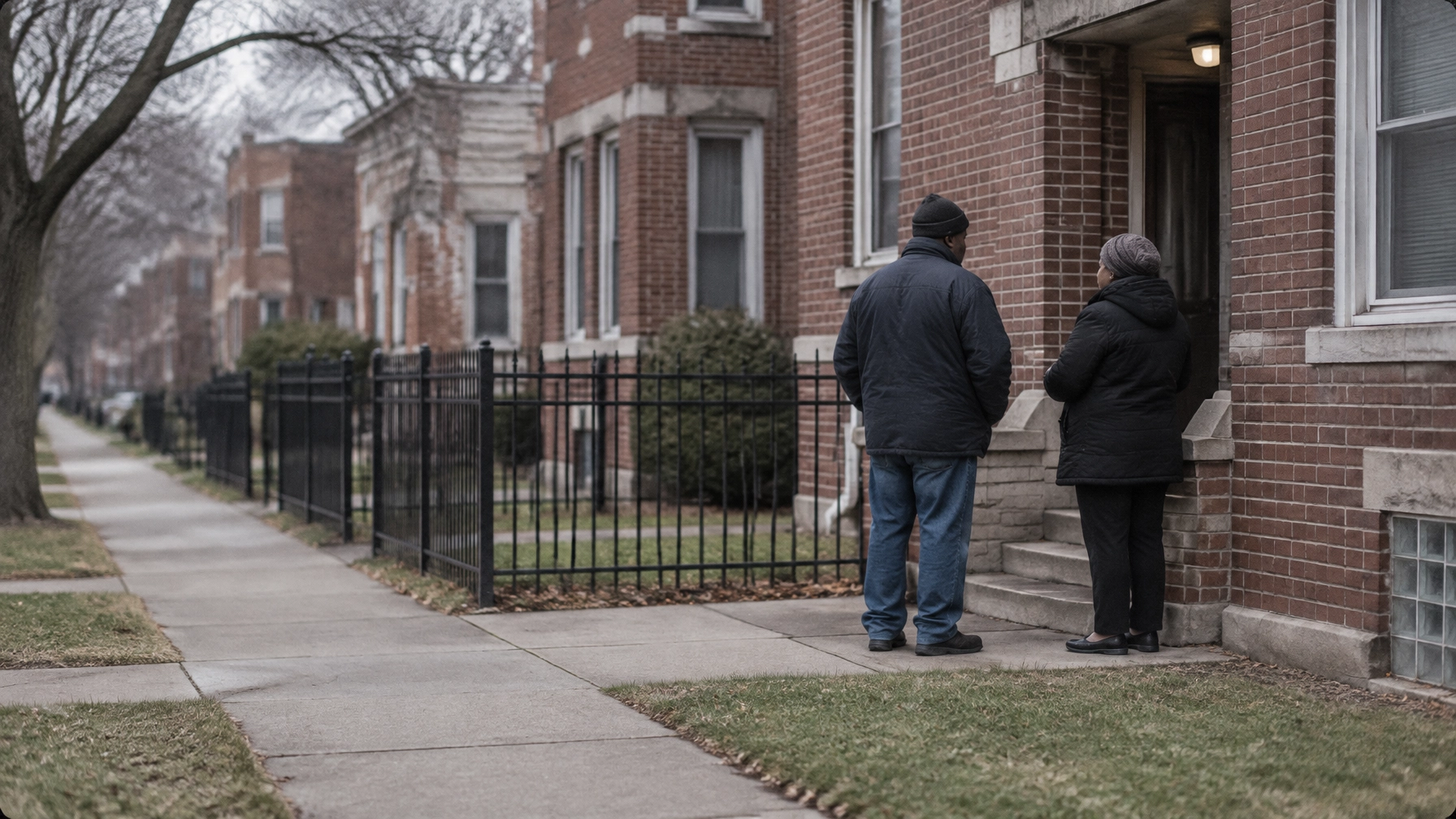
How can you help a grieving family after violence?
A death can affect more people than the immediate family: friends, witnesses, classmates, coworkers, and neighbors may be grieving or unsure where to turn. Help without making anyone’s loss public. Don’t share rumors, graphic images, or details the family hasn’t agreed to share. Offer care privately and respect a “not now.”
Solutions & Resources (SnR) in Chicago shows up at the scene, at the hospital, and long after: supporting families, witnesses, and neighbors, not just the immediate family. To ask about support for yourself or refer a family, call 872.702.1313 or visit SnR’s help page. You can also learn about community care for the wider circle of people affected.
For immediate danger or a medical emergency, call 911. SnR is not an emergency dispatch service.
When are words not enough?
A friend’s care can matter, but it may not be the only support someone needs. Consider gently offering help finding more support if you notice ongoing changes that concern you, for example, the person seems increasingly isolated, is struggling to manage daily responsibilities, or says they feel unable to cope. These signs are not a diagnosis. They are reasons to check in, listen, and ask what support feels possible.
You might say, “I care about you, and you don’t have to figure this out alone. Would it help to talk with someone who supports people through grief?” Offer to help look for options or make a call, but let the person choose. SnR can discuss possible support and next steps; availability depends on the situation and resources. For additional practical materials, explore SnR’s resource library.
If you believe someone may be in immediate danger, call 911. If you’re concerned they may hurt themselves, you can call or text 988 in the U.S. for crisis support.
If you’re the one grieving
You don’t owe anyone the perfect words, not even when you’re the person who is grieving. It’s okay to say, “I can’t talk about it right now,” “Could you sit with me?” or “I don’t know what I need.” You can also ask someone to pass along practical information on your behalf. The free SnR Healing Companion app offers daily check-ins and reflections if a small moment of support would help.
Frequently asked questions
Should I mention the person who died?
Yes, if it feels appropriate. Saying their name or asking, “Would you like to tell me about them?” can show you haven’t forgotten. Let the grieving person decide whether to continue.
What if I don’t know the person well?
A brief, kind message is still welcome: “I’m so sorry for your loss. I’m thinking of you.” Don’t ask for details or expect a response.
How often should I check in?
There’s no fixed schedule. Send a low-pressure message and keep checking in occasionally, especially after the first few weeks. Make it clear they don’t have to reply.
What if I say the wrong thing?
Acknowledge it simply: “I’m sorry. That didn’t come out the way I intended. I care about you, and I’m listening.” Then give them room to respond.